Rhinoplasty (Nose Job) in Miami, Including Revision Rhinoplasty
Rhinoplasty (nose job): what you need to know
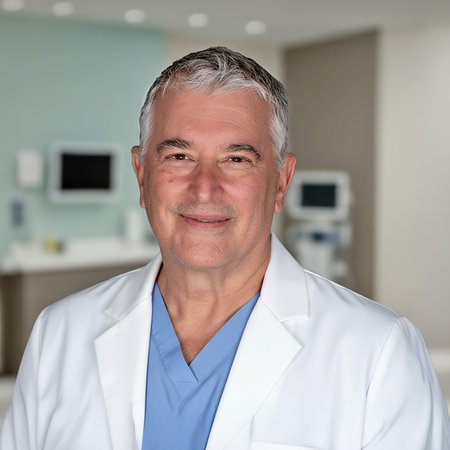
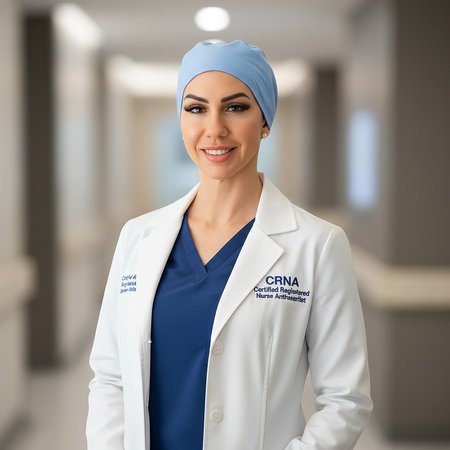
If you wish your nose was smaller, had a better shape, or was simply more aesthetically pleasing, then a nose job - technically called a rhinoplasty - may help you achieve a more balanced facial profile. For many people, the nose is the feature they think about most. At CG Cosmetic Surgery in Miami, rhinoplasty is performed by Dr. Ary Krau, Dr. Andrew Lofman and Dr. Jorge Hidalgo. Dr. Lofman is board-certified by the American Board of Plastic Surgery (ABPS). Patients rate CG Cosmetic Surgery 4.5 stars on Google across more than 10,900 reviews. A consultation is required to discuss your goals and your pricing, and the final price varies with your surgical plan.
What Rhinoplasty Can Change
Rhinoplasty reshapes the bone, cartilage and skin of the nose. Depending on your anatomy and goals, your surgeon may be able to:
- Reduce or smooth a hump on the bridge
- Refine, lift or reshape the tip
- Narrow a wide bridge or adjust the overall width
- Change the size or shape of the nostrils
- Shorten or lengthen the nose
- Balance the nose with your forehead, lips and chin in profile
The aim is a nose that looks natural on your face, not a copy of someone else's. Skin thickness, cartilage and bone structure all influence what is realistic, and not every change is possible for every nose. Your surgeon will talk through your goals and what may be achievable.
Rhinoplasty and Breathing
For many patients, rhinoplasty is about how the nose works as well as how it looks. A deviated septum, the wall that divides the two sides of the nose, or another structural issue can make nasal breathing difficult. Septoplasty is the general term for straightening the septum, and it is sometimes performed together with rhinoplasty. Whether it makes sense for you depends on an examination, so tell your surgeon about any breathing problems. Insurance coverage depends on your plan and on the medical reason for surgery; ask your patient coordinator, and keep in mind that we cannot promise coverage.
Open vs. Closed Rhinoplasty
Surgeons use two general approaches. In closed rhinoplasty, the incisions are placed inside the nostrils. In open rhinoplasty, a small additional incision is made across the skin between the nostrils, which gives the surgeon a direct view of the nasal structures. Each approach has advantages, and the right choice depends on your anatomy, the changes you want and whether the surgery is a first or a revision procedure. Your surgeon will explain which approach is recommended for you and why.
Revision Rhinoplasty in Miami
Revision (secondary) rhinoplasty refines or corrects the result of an earlier nose surgery, whether it was done here or elsewhere. Patients seek revision for different reasons, such as a shape they are not happy with, asymmetry, or new breathing difficulty. It is generally more complex than a first surgery because of scar tissue and because cartilage may have been removed or weakened earlier, so cartilage grafts are sometimes discussed. Swelling from the previous surgery usually needs to settle before revision is considered, and your surgeon will advise on timing. If you are thinking about a revision, it can help to bring any records or photos from your earlier surgery. Request a free consultation so our surgeons can explain what may be possible. Outcomes cannot be guaranteed.
Natural Results and Different Nose Types
Noses vary with heritage, skin thickness and structure, and good rhinoplasty respects that. Many patients ask for a result that keeps their natural character and suits their face instead of a standard look. Some want to preserve certain features, and in selected cases surgeons may use preservation-minded techniques that keep more of the nose's natural structure. Whether that is suitable depends on your anatomy. Tell your surgeon what you want to keep as well as what you want to change, and bring photos of noses you like.
Are You a Good Candidate for Rhinoplasty?
Good candidates are generally:
- Adults, or older teens whose nose has finished growing (your surgeon will assess this)
- In good general health
- Non-smokers, or willing to stop nicotine before and after surgery as directed
- Bothered by a specific feature or by breathing problems
- Realistic about what surgery can do
Rhinoplasty can improve the nose, but it will not change who you are, and small asymmetries are normal in every face. At your free consultation, your surgeon will discuss your goals and medical history, examine your nose and explain your options and the risks before you decide anything.
Rhinoplasty Recovery, Stage by Stage
Recovery is personal, and your surgeon will give you instructions for your case. In general terms:
The first days
A splint is usually placed on the nose, and you may have internal splints as well. Swelling, bruising around the eyes, congestion and a stuffy feeling are common. Rest as directed and do not blow your nose unless your surgeon says it is safe.
The first weeks
Bruising and swelling usually ease noticeably over the first couple of weeks, and the splint comes off when your surgeon decides. Many patients feel ready to return to routine activities during this time, but avoid strenuous exercise and anything that could bump the nose until you are cleared.
The following months
Swelling continues to go down gradually. The nose may feel stiff or partly numb for a while, and the tip is often the last area to settle.
Long term
The shape can keep refining for a year or more. Follow-up visits let your surgeon monitor your healing.
How Long Does Rhinoplasty Swelling Last?
Most visible swelling and bruising settle within the first weeks, but subtle swelling, especially in the tip and in people with thicker skin, can last many months and sometimes longer than a year. Swelling often lasts longer after revision surgery. This is why it is too early to judge your result in the first weeks. Following your surgeon's instructions and attending your follow-up visits will support your healing.
Rhinoplasty Risks to Understand
Rhinoplasty is surgery, and every surgery carries risk. Possible risks include:
- Bleeding
- Infection
- Breathing difficulty or changes in breathing
- Asymmetry, or a result that differs from what you hoped for
- Numbness or other changes in sensation
- Visible scarring, particularly with an open approach
- Reactions to anesthesia
- The possibility that a revision surgery is needed
Smoking and nicotine can raise some of these risks. Your surgeon will review the risks that apply to you before you decide on surgery.
How Much Does a Nose Job Cost in Miami?
Rhinoplasty has no single price, because every nose and every plan is different. The main factors are:
- The surgeon's fee
- Anesthesia
- The surgical facility
- The complexity of your plan, for example tip refinement only versus full reshaping, septum work or cartilage grafts
- Whether it is a first surgery or a revision
- Follow-up care after surgery
Wherever you compare quotes, ask whether the price is all-inclusive and exactly what it covers. At CG Cosmetic Surgery, a consultation is required to receive your quote, and the final price varies with your surgical plan. We also work with financing companies; see our financing page (approval and terms vary).
Rhinoplasty FAQs
What is involved in having a rhinoplasty?
Informally known as a nose job, nose surgery is a very popular cosmetic surgical procedure. Rhinoplasty is one of the more commonly performed facial plastic surgery procedures. It involves reshaping the cartilage, bone, and tissue that comprise a person's nose. The main purpose of having a nose job is to achieve a balance between a person's nose and their other facial features.
What does having a nose job do?
A nose job can address many different concerns. Some problems that are commonly corrected include shortening the length of the nose, narrowing the width of the nostrils, reducing the prominence of the tip, or removing a bump on the bridge of the nose.
If the problem requires minor to moderate correction, a nonsurgical nose job may be more suitable. Nonsurgical rhinoplasty involves the injection of a dermal filler to correct aesthetic defects such as bumps on the bridge and a droopy or undefined tip. Filler results are temporary, and filler adds volume rather than removing it, so making the nose or nostrils smaller generally requires surgery.
How much does a nose job cost in Miami?
There is no single price, because every nose and surgical plan is different. The cost depends on the surgeon's fee, anesthesia, the surgical facility, the complexity of your plan and whether it is a first or a revision surgery. A consultation is required to receive your quote, and the final price varies with your plan.
Will insurance cover rhinoplasty?
Cosmetic rhinoplasty is generally not covered by health insurance. If you also have breathing problems, ask your patient coordinator how your situation could be reviewed. Coverage depends on your plan and the medical reason for surgery, and we cannot promise it.
How long does rhinoplasty recovery take?
Recovery is personal. Most patients notice swelling and bruising ease over the first couple of weeks, and your surgeon will tell you when it is safe to return to work and exercise. Subtle swelling, especially in the tip, can take many months to settle.
When will I see my final rhinoplasty results?
You will see a clear change as the early swelling goes down, but the final shape can take a year or more to appear. Individual results vary, so your surgeon will schedule follow-up visits to monitor your healing.
Am I a good candidate for rhinoplasty?
Good candidates are generally healthy adults, or older teens whose nose has finished growing, who have specific concerns and realistic expectations. Your surgeon will decide after examining you and talking through your goals.
How old do I have to be to get a nose job?
Miami rhinoplasty patients who are good candidates for nose surgery are those who are at a stage where their nose is fully developed. Because results from the procedure may be undesirably altered with further development, the nose should have finished growing, which typically happens in the mid-to-late teens. Your surgeon will assess this individually.
What are the risks of rhinoplasty?
Like any surgery, rhinoplasty carries risks, including bleeding, infection, breathing changes, asymmetry, numbness or changes in sensation, and the possibility that a revision is needed. Smoking can raise some risks. Your surgeon will review all risks with you before you decide.
Can I smoke before & after rhinoplasty?
Your plastic surgeon will warn you about smoking before your surgery. Smoking causes the smallest blood vessels, called capillaries, to contract and may increase bleeding risk. It can also cause the skin around the nose to contract and may lead to wrinkling and other deformities around the site of the incision. The surgeon will ask you to stop smoking at least six weeks before the surgery and to continue to abstain until you are recovered.
Can rhinoplasty help me breathe better?
It may. If a deviated septum or another structural issue is limiting your breathing, your surgeon may discuss septoplasty or other functional work, sometimes together with cosmetic changes. Insurance coverage depends on your plan, so ask your patient coordinator.
Do you offer revision rhinoplasty?
Yes. Our surgeons evaluate revision patients individually, including those who had their first surgery elsewhere. Revision is generally more complex than a first surgery, and your surgeon will explain what may be possible.
Who performs rhinoplasty at CG Cosmetic Surgery?
Rhinoplasty is performed by Dr. Ary Krau, Dr. Andrew Lofman and Dr. Jorge Hidalgo. Dr. Lofman is board-certified by the American Board of Plastic Surgery (ABPS). You can meet them and ask your questions at a free consultation.
Ready to take the next step? Book your free rhinoplasty consultation at our Miami office. Our surgeons will listen to your goals and explain your options, with no pressure.