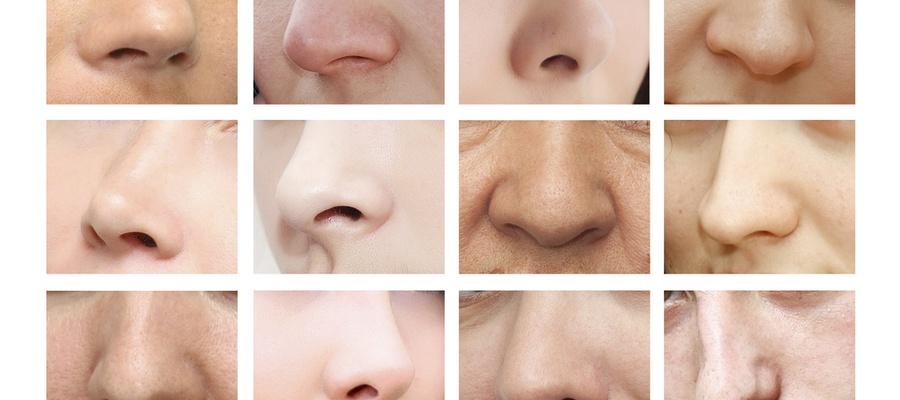
A good candidate for rhinoplasty can point to a specific change, has a nose that is done growing, and can live with swelling that hides the result for months. Wanting a different nose in general is not a plan a surgeon can draw.
The practical checks
- Facial growth is finished. Operating earlier risks a nose that changes again as the face grows.
- You can name the change: a hump, a wide tip, a crooked bridge, a blocked nostril. One or two of those can be a plan. "I want a new nose" cannot.
- You are healthy enough for anesthesia, and you will stop nicotine if the surgeon requires it. Nicotine and a healing nose are a bad pair.
- You understand that the nose in the first weeks is swollen, and that photos from that week are not the outcome.
Breathing counts as a reason. A nose that looks fine to other people and blocks one side for you is still a real complaint. Say so. A cosmetic-only visit will miss it if you only talk about the profile.
Who should slow down
Someone hoping a new nose will fix a relationship, or who brings a celebrity photo as the only goal, needs a longer conversation before a date is booked. So does someone who has had several nasal operations and wants a large change from tissue that is already scarred. Revision can be done. It is a harder operation, and the ceiling is lower than it was the first time.
A nose that was broken recently should be examined and allowed to declare its shape before an elective plan. Operating on fresh swelling means guessing.
Common questions
Do I have to hate my nose to be a candidate?
No. You have to be specific. A hump that shows in photos, or a tip you want narrowed, is enough. Vague dislike is not something a surgeon can measure.
Can rhinoplasty help me breathe?
It can, when the blockage is structural, such as a bent septum or collapsed side wall. It will not fix allergies. If congestion comes and goes with the season, say that, so the plan is not sold as a cure for a problem surgery does not treat.
What if I have already had a nose job?
You can still be a candidate for revision. Bring records and be ready for a smaller menu of changes. Scar and missing cartilage limit what a second operation can do.
The procedure is described on the rhinoplasty page.